
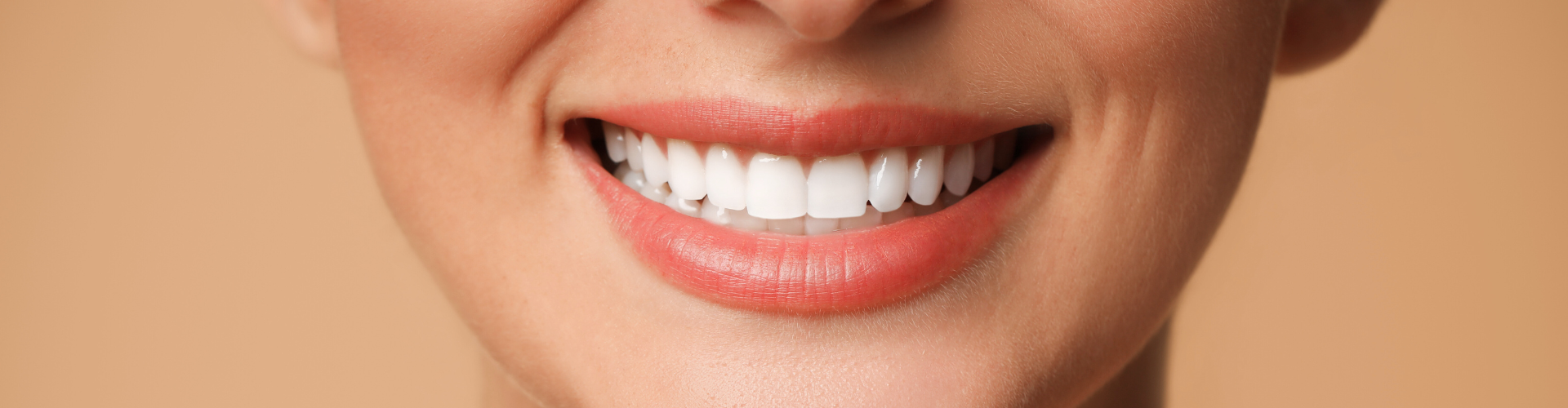

Most people do not want a dramatic, brand-new set of teeth that screams “I had work done.” They want something subtler, but still noticeable. A cleaner smile. More even edges. Less distraction from chips, stains, or small gaps. That is the lane Lumineers are designed for.
If you have been curious about veneers but the idea of drilling down your teeth makes you pause, Lumineers are often the first thing people ask about. They are a well-known type of ultra-thin veneer that can sometimes be placed with minimal tooth reduction. Not always. Not for everyone. But for the right person, they can be a surprisingly simple way to get a polished, camera-ready smile.
Below, we will walk through what Lumineers actually are, what they can and cannot do, and what the process feels like in real life.
What Lumineers are, in plain terms
Lumineers are a type of veneer, meaning a thin shell that is bonded to the front surface of a tooth to improve its appearance. Think of them as a custom “overlay” that can:
- Brighten the tooth color
- Improve shape and symmetry
- Smooth out chips and worn edges
- Reduce the look of small gaps
- Make mildly uneven teeth look more aligned
The big selling point is thickness. Lumineers are typically very thin, which is why some cases can be done with little to no enamel removal. That said, “no-prep” is a marketing term that can be misunderstood. A truly no-prep case is possible for some smiles, but many patients still need a small amount of reshaping for a natural look and a healthy bite.
A helpful way to think about it:
- If your teeth are naturally small, slightly worn, or a bit spaced out, Lumineers may fit beautifully with minimal changes.
- If your teeth are already prominent, crowded, or your bite is tight, adding thickness without adjusting anything can look bulky or feel off.
Who is not a good candidate for Lumineers?
Lumineers can be fantastic, but they are not a universal fix. In fact, the best cosmetic dentistry is the kind nobody notices, and that means choosing the option that fits your teeth, bite, and goals.
You may not be a good candidate for Lumineers if you have:
1) Significant crowding or overlapping teeth
Lumineers can mask mild irregularities, but they are not orthodontics. If teeth overlap a lot, adding a shell on top can make them look wider or feel crowded in your bite.
2) A heavy bite or untreated grinding (bruxism)
If you grind or clench, veneers can chip or wear down faster. This does not automatically disqualify you, but it does mean we need a plan, often including a night guard.
3) Large cavities, weakened enamel, or extensive fillings on front teeth
Veneers bond best to healthy enamel. If a tooth is heavily restored, we may recommend a different approach, such as a crown, or we may need to strengthen the tooth first.
4) Gum disease or active inflammation
Cosmetic work should never be placed on an unhealthy foundation. If gums bleed easily, are swollen, or there is bone loss, we address that first so your results look good and last.
5) Very dark internal staining
Some stains are deep and stubborn (from certain medications, trauma, or root canal changes). Lumineers may not block severe discoloration as well as other veneer types unless we adjust the plan.
Bottom line: the “best” candidate is someone with generally healthy teeth and gums, realistic expectations, and a smile that benefits from refinement more than reconstruction.
The real appeal: why people choose Lumineers
Patients usually choose Lumineers for one of these reasons:
- They want a brighter smile without constant whitening.
- They want to fix chips or uneven edges.
- They want to close small gaps without braces.
- They want an upgrade that still looks like them.
And yes, people also choose them because they have heard they can be “no-prep.” Sometimes that is true. Even when a little shaping is needed, it is often far less than traditional veneer prep.
How do Lumineers compare to no-prep veneers from other brands?
This is where things get interesting, because most patients are not just comparing “Lumineers vs veneers.” They are comparing Lumineers vs other minimal-prep or no-prep veneer options.
Here are the most practical differences to know:
1) “No-prep” is case-based, not brand-based
Brands matter, but your anatomy matters more. The most important factor is whether your smile can accept a thin layer on the front without looking bulky or affecting your bite.
2) Thickness and translucency affect the final look
Ultra-thin veneers can look very natural because they let light pass through in a tooth-like way. But that same translucency means they may not hide very dark stains as easily as a slightly thicker veneer.
3) The lab work and the dentist’s design matter as much as the name
Two patients can get the same “brand” and have completely different results depending on:
- The digital or wax mockup used to design the shape
- The shade selection and layering
- How the bite is evaluated
- The final polishing and margins
4) Longevity depends on habits and bonding conditions
A no-prep style veneer can last many years, but its lifespan depends on:
- Bite forces and grinding
- Oral hygiene
- Whether the tooth surface is ideal for bonding
- How well the veneers fit and are maintained
A good rule: instead of chasing a specific label, focus on the plan. At First Choice Dentistry, we look at your bite, tooth shape, gumline, shade goals, and lifestyle to recommend the option that will look natural and hold up.
Do Lumineers stain over time, and how do you prevent discoloration?
Lumineers are made from ceramic materials that are highly stain resistant compared to natural enamel. They do not absorb pigments the same way teeth can. So if you are imagining them turning yellow like a white shirt, that is usually not how it goes.
However, staining can still show up in a few ways:
1) The edges can pick up stain if plaque builds up
This is not the veneer itself “soaking up” color. It is usually plaque or tartar around the margins.
2) The bonding material can discolor in certain situations
The cement used to bond veneers is chosen carefully, but over many years, margin staining can happen, especially if hygiene is inconsistent.
3) Your natural teeth can darken while veneers stay the same
If you whiten your teeth later, veneers do not whiten with them. That is why we plan shade carefully, and sometimes whiten first.
How to keep Lumineers looking bright
Here is what makes the biggest difference:
- Brush twice daily with a non-abrasive toothpaste.
- Floss every day, especially around the gumline.
- Get regular cleanings so stain around the edges does not settle in.
- Go easy on frequent staining habits, especially if you sip all day: coffee, tea, red wine, cola.
- If you smoke, know that smoke stains everything, including the margins around restorations.
- Use a straw for darker drinks when you can. It is a small change that helps.
Quick reality check: If a veneer looks stained, it is often polishable. A professional cleaning and polish can make a big difference.
What Lumineers treatment feels like compared to getting veneers
This is the part people do not always hear about, and it matters.
For many patients, the Lumineers experience is more comfortable than they expected, because the process often involves minimal reshaping and no deep drilling. You might feel:
- A bit of vibration if reshaping is needed
- Mild sensitivity after impressions or scanning
- Pressure during bonding, but not pain
If tooth reduction is truly minimal, some patients do not even need local anesthetic. Others prefer it anyway, and that is completely fine.
The “feel” of your bite afterward is the bigger deal.
Your brain notices tiny changes. For the first few days, you may feel like your teeth are slightly different when you close. That usually settles quickly, especially when the veneers are designed with your bite in mind.
What the process usually looks like
While every case is customized, most Lumineers cases follow a similar path:
Step 1: Consultation and smile planning
We talk about what you want to change and what you want to keep. Then we evaluate your bite, gum health, tooth enamel, and shade goals.
Step 2: Digital scans and design
We capture detailed scans or impressions. In many cases, we can also plan the shape and shade so you know what direction we are taking.
Step 3: Prep (if needed) and temporary phase (sometimes)
Some smiles need minimal reshaping to avoid a bulky look or to help the veneers sit naturally. Depending on your plan, temporaries may or may not be needed.
Step 4: Bonding day
This is when your new smile becomes real. The veneers are tried in, adjusted, then bonded carefully for fit, comfort, and aesthetics.
Step 5: Follow-up
We re-check bite and comfort, then you are off to enjoy your smile.
A few honest pros and cons
Pros
- Beautiful, natural-looking ceramic finish
- Can be minimal-prep in the right cases
- Long-lasting with good care
- Strong stain resistance
Cons
- Not ideal for every bite or tooth shape
- May look bulky if placed without proper planning
- Veneers are not reversible in many cases, even minimal-prep ones
- You still need excellent hygiene and regular cleanings
Cosmetic dentistry is at its best when it is conservative and intentional. The goal is not just “white teeth.” It is teeth that fit your face, your features, and your personality.
Ready to find out if Lumineers fit your smile?
If you are curious about Lumineers, the fastest way to get clarity is a professional evaluation. At First Choice Dentistry, we will look at your teeth, your bite, and your goals, then walk you through the options that make the most sense, whether that is Lumineers, another veneer style, whitening, bonding, or a combination.
If you want a smile upgrade that still feels like you, schedule a consultation with First Choice Dentistry today. We will help you choose a plan that looks natural, feels comfortable, and lasts.