


Hydrogen peroxide can whiten teeth effectively, but concentration, frequency, and the specific product you use all matter more than most people realize. The brown bottle in your medicine cabinet is not the same as dental-grade gel — and daily use of either can disrupt your oral microbiome in ways that go far beyond tooth sensitivity. If you’re considering professional teeth whitening in Bakersfield, understanding what’s actually in these products is the right place to start.
Why the Brown Bottle Is Different from Dental Whitening Gel
This is the question I wish more patients in Bakersfield would ask before they start rinsing with the $1.00 bottle from the pharmacy.
Yes, the active molecule — hydrogen peroxide — is the same. But pharmacy-grade 3% hydrogen peroxide contains chemical stabilizers like acetanilide, phenol, or phosphoric acid. These additives extend shelf life on a drugstore shelf. They are not formulated for repeated contact with the soft tissue lining your mouth. That metallic, bitter aftertaste many people notice? That’s often a sign of chemical irritation from those stabilizers, not the peroxide itself.
Dental-grade whitening gels use glycerin or xylitol-based carriers that buffer the pH and protect your gum tissue. They’re also manufactured to specific tolerances so you know exactly what concentration you’re getting. According to the ADA, professionally administered whitening and ADA-accepted at-home products are the standard for safe, effective bleaching — for a reason.
So can you use 3% hydrogen peroxide to clean your teeth? Short answer: occasionally, yes, with proper dilution. Mix equal parts 3% peroxide and water to reach a 1.5% solution, swish for no more than 60 seconds, and spit. Research published in PMC confirms that hydrogen peroxide breaks apart the chromophore bonds responsible for staining — it genuinely works. But the brown bottle was designed for wound care, not oral hygiene, and using it daily creates a separate problem entirely.
What Daily Peroxide Rinsing Actually Does to Your Oral Microbiome
Most whitening articles stop at “you might get sensitivity.” I want to go further, because what happens to your oral ecosystem matters just as much as what happens to your enamel.
Hydrogen peroxide is a non-selective antimicrobial. It doesn’t distinguish between the bacteria causing stains and the beneficial bacteria that keep your mouth in balance. Used daily as a rinse, it can wipe out enough of that microbial community to cause oral dysbiosis — a disruption of the natural bacterial balance.
Two specific outcomes concern me clinically. First, dysbiosis creates an opening for yeast overgrowth, which can develop into oral thrush. Second — and this surprises most patients — it can cause a condition called lingua villosa nigra, or black hairy tongue. When the normal bacterial ecosystem is disrupted, the filiform papillae on the tongue elongate and trap pigment from food, coffee, or tea. The result looks alarming and is entirely preventable.
My general guidance: limit any hydrogen peroxide rinse to two or three times per week at most, never daily. This frequency can support whitening without stripping the microbial foundation your mouth depends on. Cleveland Clinic notes that even effective whitening rinses require compliance over months, not aggressive daily use, to produce meaningful shade changes safely. Pairing a sensible whitening routine with regular cleanings and exams is one of the most effective ways to maintain a brighter smile long-term.
Is 9.5% Hydrogen Peroxide Safe — and What About Your Aligners?
For patients asking about 9.5% strips or gels, the honest answer is: yes, with appropriate use. A clinical study via Healthline found that up to 80% of peroxide users experience temporary tooth sensitivity, and the risk increases meaningfully when concentration exceeds 6%, contact time runs long, or application happens more than once daily.
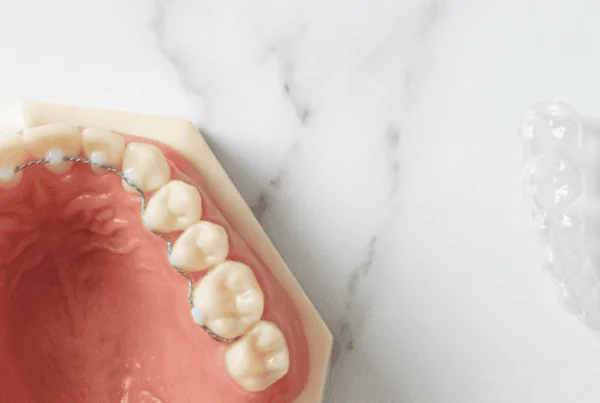
There’s one scenario I see often in Bakersfield that almost nobody addresses online: patients using high-concentration peroxide while wearing clear aligners. Whether you’re in Invisalign treatment or using a whitening tray, putting 9.5% peroxide gel directly into a thermoplastic aligner is a problem. High-strength peroxide etches the aligner material, increasing its porosity and creating microscopic pits. Those pits don’t just make your trays look cloudy — they harbor bacteria that get trapped directly against your tooth surface, raising your cavity risk and contributing to persistent bad breath.
If you’re using a 9.5% product, remove your aligners completely, complete the whitening treatment, rinse your mouth thoroughly, and wait at least 30 minutes before reinserting your trays. Never apply peroxide gel inside the aligner itself.
The Safest Ways to Whiten Teeth at Home in Bakersfield
Given everything above, here’s what I actually recommend to patients who want whiter teeth without unnecessary risk.
Start with a whitening toothpaste. These contain mild abrasives or low-level peroxide and work gradually on extrinsic stains — the kind caused by coffee, tea, and the red wine some of us enjoy after a walk along the Kern River Parkway Trail. Mayo Clinic confirms these are among the safest starting points, typically producing one to two shades of improvement with consistent use.
Use ADA-accepted whitening strips two to three times per week, not daily. Follow the instructions precisely — contact time matters more than frequency.
Baking soda paste (one teaspoon mixed with two teaspoons of water, brushed a few times per week) can gently reduce surface staining through mild abrasion without the stabilizer concerns of pharmacy peroxide.
Talk to me before you start anything stronger. Intrinsic stains — from tetracycline, fluorosis, or aging — don’t respond the same way extrinsic stains do. Using an aggressive at-home product on intrinsic discoloration wastes your time and risks your enamel. For patients whose discoloration goes deeper than surface staining, dental veneers or aesthetic dentistry options may be worth exploring. A five-minute conversation saves months of frustration.
Ready for Whiter Teeth? Visit Us in Bakersfield
If you’re near Laurelglen, the River Walk, or anywhere across the Central Valley and want a whitening plan that’s actually matched to your teeth, I’d love to help. At First Choice Dentistry, we start with an honest evaluation of what kind of staining you have before recommending any treatment. Whether your goals involve whitening, teeth straightening, or a complete smile refresh, that’s what affordable, patient-centered care looks like in Bakersfield.
Medical disclaimer: This article is intended for general informational purposes only and does not constitute professional dental advice, diagnosis, or treatment. Always consult a licensed dental professional before beginning any whitening regimen, particularly if you have existing dental restorations, sensitivity, or active oral health conditions.