
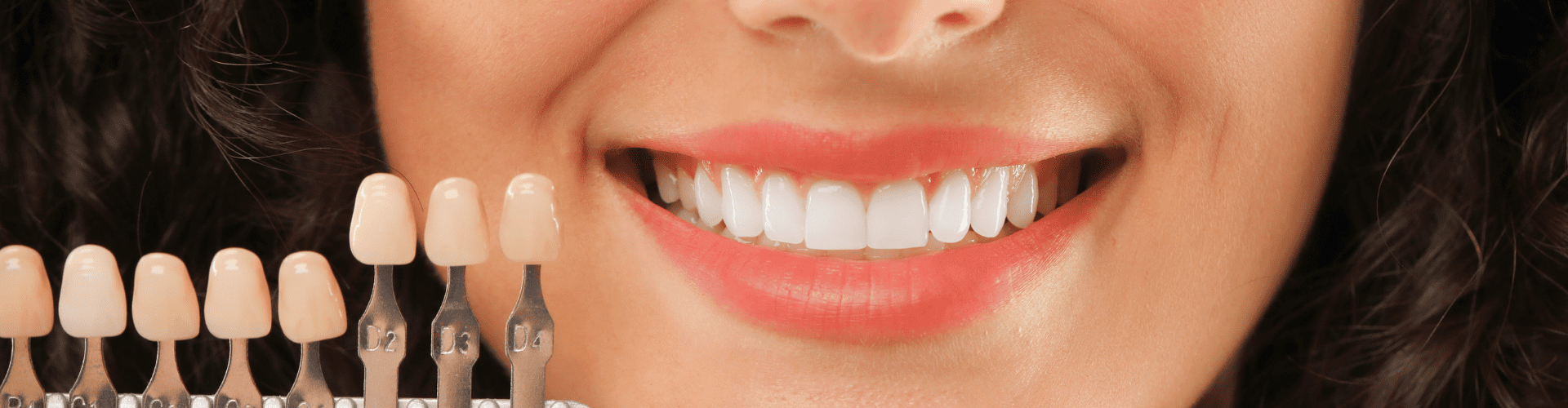

When people hear the phrase “aesthetic dentistry,” they often think of whiter teeth, straighter smiles, or cosmetic upgrades meant purely for appearance. While those outcomes matter, they are only part of the story. At its core, aesthetic dentistry sits at the intersection of beauty and health. The treatments designed to improve how your smile looks often strengthen your teeth, improve function, and support long-term oral wellness in ways many patients do not expect.
A healthy smile is not only about avoiding pain or cavities. It is about balance. Teeth that are aligned properly are easier to clean. Enamel that is restored or protected is less likely to break down. Gums that frame the teeth evenly are easier to keep healthy and less prone to inflammation. Aesthetic dentistry brings these elements together, addressing both form and function in a thoughtful, intentional way.
At First Choice Dentistry, aesthetic dentistry is approached with a health-first mindset. Every treatment recommendation considers how it will affect your bite, your oral hygiene, and the longevity of your teeth. The goal is never change for the sake of change. It is about helping your smile look natural, feel comfortable, and stay healthy for years to come.
Below, we explore how aesthetic dentistry connects directly to dental health, why cosmetic treatments often prevent future problems, and how caring for your smile can support your overall well-being.
How does aesthetic dentistry improve both the look and long-term health of your teeth?
Aesthetic dentistry works best when appearance and health are treated as inseparable. Many cosmetic concerns actually stem from underlying dental issues, and addressing them properly can improve both how your smile looks and how it functions.
Alignment and spacing improve daily oral care
Crooked or crowded teeth are harder to clean effectively. When teeth overlap or twist, toothbrush bristles and floss struggle to reach plaque and food debris. Over time, this can lead to:
- Higher risk of cavities between teeth.
- Increased gum inflammation and bleeding.
- Faster buildup of tartar that requires more frequent cleanings.
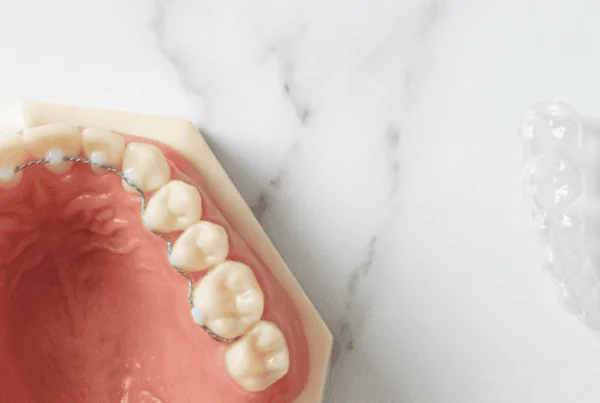
Treatments like clear aligners or braces do more than straighten your smile. They create spacing that allows for better hygiene. Patients often notice that brushing and flossing becomes easier once teeth are aligned, which directly supports long-term dental health.
Restoring damaged enamel protects the tooth structure
Chips, cracks, and worn edges are not just cosmetic concerns. They weaken the enamel and expose teeth to sensitivity and decay. Aesthetic treatments such as bonding, veneers, or crowns help:
- Seal vulnerable areas of enamel.
- Prevent cracks from spreading deeper into the tooth.
- Restore proper shape so the tooth functions as intended.
When enamel is reinforced, teeth are better protected against everyday wear and tear. This reduces the likelihood of more complex dental procedures later on.
Balanced bites reduce stress on teeth and jaw
An uneven bite can cause teeth to wear down unevenly, leading to fractures, sensitivity, or jaw discomfort. Aesthetic dentistry often involves evaluating how the teeth come together when you bite and chew. Adjustments made for cosmetic reasons can also:
- Distribute biting forces more evenly.
- Reduce strain on specific teeth.
- Support healthier jaw movement.
A smile that looks balanced often functions more comfortably as well.
Can cosmetic dental treatments help prevent future dental problems?
One of the most overlooked benefits of aesthetic dentistry is prevention. Many treatments designed to enhance appearance also act as protective measures that reduce the risk of future dental issues.
Whitening encourages better oral habits
Professional teeth whitening does not strengthen enamel on its own, but it often motivates patients to care for their teeth more consistently. After investing in a brighter smile, people tend to:
- Brush more thoroughly and regularly.
- Floss more often to maintain results.
- Avoid habits that stain or damage teeth.
This behavioral shift can lead to fewer cavities and healthier gums over time.
Veneers and bonding can shield vulnerable teeth
Teeth with thin enamel, small cracks, or uneven surfaces are more susceptible to decay. Veneers and bonding can act as a protective layer that:
- Covers weak enamel.
- Smooths rough surfaces where plaque collects.
- Reduces sensitivity to temperature and pressure.
When properly designed and maintained, these treatments help preserve the natural tooth underneath.
Gum-focused aesthetic care supports periodontal health
Aesthetic dentistry is not limited to teeth. Gum contouring and reshaping are sometimes recommended to correct uneven or excessive gum tissue. Health benefits include:
- Easier cleaning around the gumline.
- Reduced pockets where bacteria can accumulate.
- Improved gum attachment to the teeth.
Healthy gums play a critical role in protecting the bone and supporting the teeth. Cosmetic improvements in this area often strengthen periodontal health as well.
Replacing missing teeth prevents shifting and bone loss
Missing teeth affect more than appearance. They can cause neighboring teeth to shift, change your bite, and contribute to jawbone loss. Aesthetic solutions such as dental implants or bridges help:
- Maintain proper spacing between teeth.
- Preserve jawbone structure.
- Prevent excessive wear on remaining teeth.
By restoring the smile, these treatments also protect the overall stability of the mouth.
What is the connection between a healthy smile and aesthetic dentistry treatments?
The relationship between health and aesthetics goes both ways. Not only do cosmetic treatments support dental health, but maintaining a healthy smile is essential for aesthetic results to last.
Healthy foundations lead to better cosmetic outcomes
Before any aesthetic treatment is recommended, the underlying teeth and gums must be healthy. Cavities, gum disease, or infections need to be addressed first. This ensures:
- Treatments last longer and perform better.
- The risk of complications is minimized.
- The final result looks natural and balanced.
Aesthetic dentistry is most successful when built on a strong, healthy foundation.
Confidence and oral health are closely linked
When people feel confident about their smile, they are more likely to engage in positive health behaviors. Patients who like their smile often:
- Attend regular dental checkups.
- Address minor issues before they worsen.
- Take pride in daily oral care routines.
This ongoing attention supports both appearance and health over time.
Aesthetic improvements can support overall well-being
Smiling is not just about teeth. It affects how we communicate, eat, and interact socially. A comfortable, healthy smile can:
- Improve speech clarity.
- Make chewing more efficient and enjoyable.
- Reduce self-consciousness that leads to avoiding dental care.
In this way, aesthetic dentistry contributes to quality of life as much as it does to oral health.
Common aesthetic dentistry treatments and their health benefits
Aesthetic dentistry includes a wide range of treatments, each with both cosmetic and functional advantages. Below are some of the most common options and how they support dental health.
- Teeth whitening
Removes deep stains and discoloration caused by food, drinks, or aging. While primarily cosmetic, it often encourages better oral care habits. - Dental bonding
Uses tooth-colored material to repair chips, cracks, or gaps. Bonding restores structure and protects weakened enamel. - Veneers
Thin shells that cover the front of teeth to improve shape, color, and alignment. Veneers can also reinforce enamel and protect against wear. - Clear aligners and braces
Straighten teeth for a more balanced smile while improving bite alignment and making hygiene easier. - Dental crowns
Restore damaged or weakened teeth, improving appearance while protecting the tooth from further breakdown. - Gum contouring
Reshapes gum tissue to create a more even smile and reduce areas where bacteria can hide.
Each treatment is selected based on individual needs, with careful consideration of both aesthetics and long-term oral health.
Maintaining results for lasting dental health
Aesthetic dentistry is not a one-time event. Maintaining results requires ongoing care and attention. Patients are encouraged to:
- Brush twice daily using proper technique.
- Floss consistently to protect gums and enamel.
- Attend regular dental cleanings and exams.
- Address grinding or clenching habits if present.
- Follow personalized care recommendations from their dentist.
When aesthetic treatments are combined with good oral hygiene and professional care, results can last for many years while supporting overall dental health.
Choosing the right approach for your smile
Not every smile needs the same treatments. Some patients benefit from subtle changes, while others require more comprehensive care. The key is a personalized approach that considers:
- Your oral health history.
- Your functional needs and bite alignment.
- Your goals for appearance and comfort.
At First Choice Dentistry, aesthetic dentistry is never rushed or one-size-fits-all. Each recommendation is made with your long-term dental health in mind, ensuring that improvements look natural and feel right for you.
A healthier smile starts with a thoughtful conversation
Aesthetic dentistry is about more than surface-level changes. It is about protecting your teeth, supporting your gums, and creating a smile that functions as beautifully as it looks. When done thoughtfully, cosmetic treatments can prevent future dental problems, improve daily comfort, and encourage lifelong oral care habits.
If you are curious about how aesthetic dentistry can support both the look and health of your smile, the first step is a personalized evaluation. Schedule an appointment with First Choice Dentistry today to explore options designed around your needs, your comfort, and your long-term dental wellness.