


There comes a moment after losing a tooth when you start thinking about what comes next. You want something strong, something natural, and something that feels like it has always belonged in your smile. That is where dental implants step in. They are built to look and function like real teeth, giving you back the confidence that sometimes slips away after tooth loss.
But here is the part many people do not expect. There is not just one kind of implant. There are several options, and each one serves a different purpose. Some replace a single missing tooth. Some restore a small section. Others rebuild an entire arch. Understanding these differences helps you feel more confident and prepared when talking with your dentist about your treatment.
At First Choice Dentistry, we walk patients through these options every day. This blog breaks down the most common types in a clear, natural way so you can picture what might work best for you.
The Foundation: What All Implants Have in Common
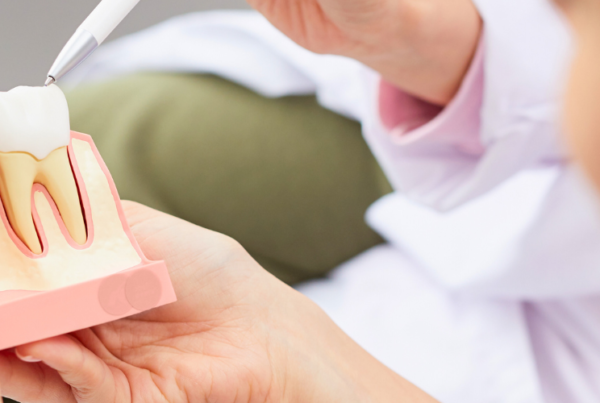
Before jumping into the specific types, it helps to understand what makes an implant an implant. Every option starts with a small titanium or zirconia post. This post is placed in the jawbone and behaves like the root of a natural tooth. Over time, the bone fuses to it, creating a solid foundation.
Once the implant heals, a connector piece and a custom crown or full prosthesis are attached on top. The look and feel are designed to match the rest of your smile.
The differences between implant types usually depend on how many teeth are being replaced and how much stability your jawbone can provide.
Single Tooth Implants
A single implant replaces one missing tooth. It stands on its own without affecting surrounding teeth, which makes it a favorite for anyone wanting a long term and natural fit.
Patients often choose single implants when:
- One tooth has been lost due to decay or injury
- A tooth cannot be saved after a fracture
- A root canal has failed
The result is a strong replacement that blends in seamlessly with the rest of your smile.
Implant Supported Bridges
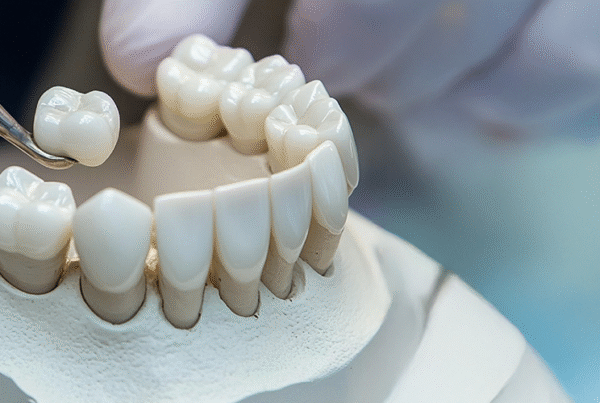
Some people assume that bridges only work when anchored to natural teeth, but implants can play this role instead. An implant supported bridge is typically used when two or more neighboring teeth are missing. Instead of placing an implant for every missing tooth, your dentist places a few strategically positioned implants to support a multi tooth bridge.
This option is a great balance between structure and simplicity. You get stability without needing as many implants, and the final result feels secure and natural.
Full Arch Implants
Full arch implants are designed for people who are missing most or all teeth in an upper or lower arch. This approach involves placing several implants across the jaw to support a complete arch of new teeth.
There are different styles of full arch implants, but the overall goal is the same. You receive a stable, life changing smile without relying on removable dentures. This option feels more natural, improves chewing strength, and provides long term stability.
Mini Implants
Mini implants are smaller versions of traditional implants. They are often used when the jawbone has softened or shrunk. Because of their size, they can sometimes be placed without the need for bone grafting.
While mini implants are not as widely used for full reconstructions, they can be helpful in specific cases, especially when stabilizing lower dentures.
How do you know which type of dental implant is right for your missing tooth?
Choosing the right implant depends on several things. Your dentist looks at the number of missing teeth, the health of the surrounding teeth, the density of your jawbone, and your long term goals. For example, if you are missing just one tooth and the neighboring teeth are healthy, a single implant is usually the simplest and most natural option.
If a group of teeth is missing, implants may work together to support a bridge. When many teeth are gone, full arch implants create a complete and stable solution. The right choice always comes from a careful evaluation of your mouth, your bite, and the long term strength of your jawbone.
What factors decide whether you need a single implant, an implant bridge, or full arch implants?
Your dentist considers more than the number of missing teeth. Bone health plays an important role. Single implants and bridges require enough bone to hold each implant firmly in place. Full arch implants spread the support across several implants, so even patients who have worn dentures for years may still qualify.
Your lifestyle and comfort goals matter too. Some people want the closest thing to a natural tooth, which makes single implants appealing. Others want a stable restoration that replaces several teeth at once. Full arch implants are ideal for those who want a reliable, confident smile without removable appliances.
Do different types of implants affect how long the treatment and healing process takes?
Yes, treatment time varies. A single implant is usually the quickest since it involves one placement site. Implant supported bridges take a bit longer because multiple implants need to heal. Full arch implants can be completed in phases depending on bone preparation, healing needs, and the design of your new teeth.
Healing time depends on how well the implant integrates with the bone. Most patients return to normal routines quickly, but complete healing can take a few months. Your dentist will walk you through timelines that fit your specific case.
The Takeaway
Each type of implant has its own strengths. The important thing is choosing the option that supports your long term dental health, comfort, and confidence. Whether you need to replace one tooth or rebuild an entire arch, there is an implant solution designed for your needs.
If you are thinking about dental implants and want clarity about which option fits your smile, we would be happy to help.