


Comparing dental implants rarely comes down to a single detail — prerequisite procedures, long-term maintenance, and how insurers classify your implant type all shape your overall treatment experience. This guide breaks down what patients near Laurelglen and across Bakersfield actually need to understand before comparing dental implants options.
The Hidden Prep Factors That Change Every Plan
Most implant overviews leave out the procedures that often have to happen first. Understanding this gap is essential before you compare implant types side by side.
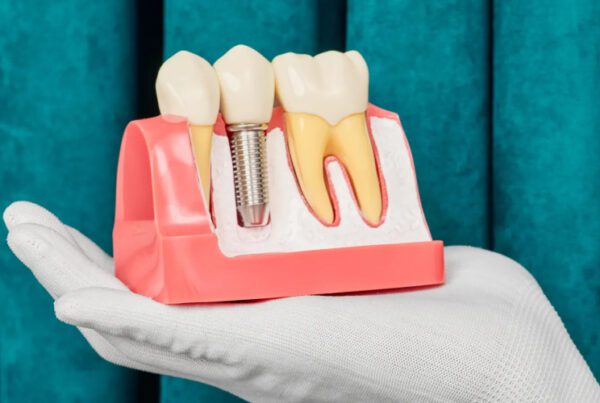
Traditional single implants and All-on-4 full-arch restorations frequently require preparatory surgeries. Site-preservation bone grafts, ridge augmentation, and lateral sinus lifts are common prerequisites when jawbone density is insufficient. These procedures add meaningful time and complexity to your treatment plan — and they’re rarely factored into what you discuss at a first consultation.
Mini dental implants, by contrast, are specifically designed for patients with lower bone density. As Healthline explains, mini implants don’t require as much jawbone mass and can often bypass the need for bone grafting entirely — a process that can otherwise take up to a year to fully heal. For some Bakersfield patients who’ve experienced bone loss from tooth decay, injury, or conditions like osteoporosis, this is a genuinely significant advantage.
That said, skipping bone grafting isn’t always the right long-term call. When a traditional implant with proper bone support prevents full-arch failure down the road, undergoing preparatory surgery may actually protect your long-term oral health. A thorough exam — including 3D imaging — is the only way to know which path makes sense for your jaw anatomy.
The takeaway: always ask your provider for a comprehensive treatment plan, not just single-procedure details.
Long-Term Maintenance by Implant Type
Day-one surgery is only part of the overall picture. Each implant type carries its own ongoing maintenance profile, and the differences are substantial.
Mini implants used to stabilize dentures rely on O-ring gasket attachments that compress with use. These components wear down and require periodic replacement. Dentures anchored to mini implants also need professional relines as the gum tissue changes shape over time. These requirements recur consistently across years of ownership.
Traditional single implants are among the most durable restorations in dentistry. Research published via the National Library of Medicine reports success rates above 97% over 10 years. The tooth crown attached to a traditional implant may eventually need replacement — typically at the 10–15 year mark — but the implant fixture itself often lasts a lifetime with proper care.
All-on-4 full-arch restorations use an acrylic hybrid prosthetic that, while highly functional, is more vulnerable to fracture than porcelain alternatives. Repairs or full conversions when fractures occur represent the largest potential maintenance requirement of any implant category. Patients near the Kern River Parkway Trail who are active and physically engaged should factor this into their decision.
The practical implication: initial treatment simplicity doesn’t always mean lower long-term maintenance. Mapping out a realistic multi-year maintenance picture with your provider is time well spent.
How Insurance Classification Affects Your Claim
This is the area where patients are most frequently surprised — and most underserved by generic online information.
Dental insurers use specific CDT billing codes to classify procedures, and those classifications directly determine whether a claim is approved, denied, or downgraded. Mini implants are billed under code D6013, which many dental payers classify as a “temporary or transitional” device. When a claim comes in under D6013, insurers may automatically deny it or downgrade the benefit to the equivalent of a standard removable denture — regardless of how the implant is actually functioning in your mouth.
Traditional single endosteal implants are billed under D6010, and full-arch hybrid prosthetics fall under D6114 or D6115. These codes carry different — though not universally better — coverage treatment depending on your specific plan. In some cases, a tooth extraction preceding implant placement may also be subject to separate classification and coverage rules under your plan.
According to WebMD, snap-in and implant-supported dentures may not be covered by insurance at all, and Medicare generally does not cover dentures or most implant procedures. The NIDCR notes that Medicaid dental coverage for adults varies significantly by state, with most states offering only limited services.
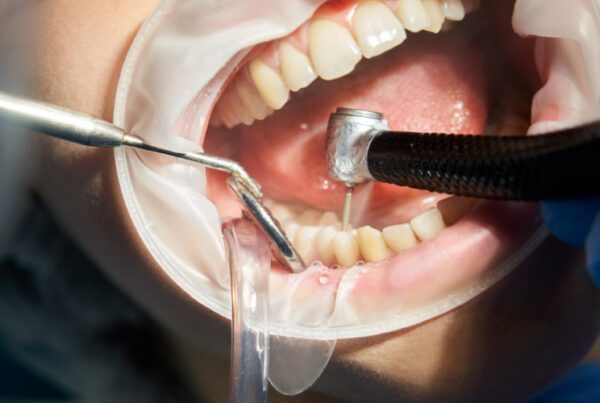
Understanding which code applies to your planned procedure — and how your insurer treats that code — before treatment begins can prevent unexpected coverage surprises. Ask your dental office to run a pre-authorization and confirm exactly how your plan will respond to the specific CDT code being submitted. Staying current with cleanings and exams can also help document your oral health history, which insurers sometimes require when reviewing implant claims.
If a dental issue arises unexpectedly during your implant journey, knowing where to turn for a dental emergency in Bakersfield can prevent complications that further affect your treatment timeline.
Schedule a Consultation at First Choice Dentistry in Bakersfield
Dental implant care is never one-size-fits-all, and the only way to get an accurate picture is through a personalized exam. First Choice Dentistry serves patients throughout Bakersfield — including those near Laurelglen — and can walk you through a complete treatment plan, including any prerequisite procedures, maintenance expectations, and insurance pre-authorization. If you’re also exploring aesthetic dentistry options to complement your implant restoration, our team can discuss those possibilities during your visit as well. Reach out today to schedule your consultation.
This article is intended for informational purposes only and does not constitute professional dental or medical advice. Individual treatment needs vary. Please consult a licensed dental provider for a diagnosis and personalized treatment plan.