


Dental implants are a highly effective tooth replacement option, but they carry risks that go beyond surgical complications — including hidden long-term effects on neighboring teeth. Understanding these downsides helps Bakersfield patients make a fully informed decision before committing to treatment.
The Hidden Neighbor Problem: How Implants Affect Adjacent Teeth Over Time
Most conversations about implant risks focus on surgery day — drilling errors, nerve proximity, healing complications. What rarely gets discussed is what happens years later, when your natural teeth continue doing something implants cannot: moving.
Natural teeth shift forward slightly throughout life, a process called mesial drift. Your implant, however, is osseointegrated — fused to the jawbone. It doesn’t move at all. Over three to five years, this biomechanical mismatch in posterior zones (premolars and molars) can open a persistent gap between the implant crown and the adjacent natural tooth. That gap traps food, triggers chronic gum inflammation, and exposes the neighboring root to decay. Clinical data suggests this contact loss occurs in up to 50% of posterior implant cases, yet patients are rarely warned during their initial consultation.
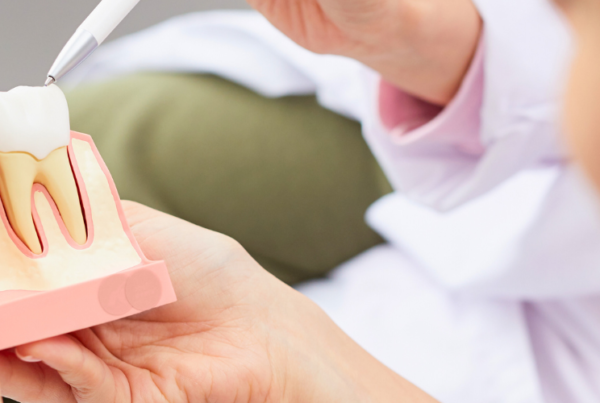
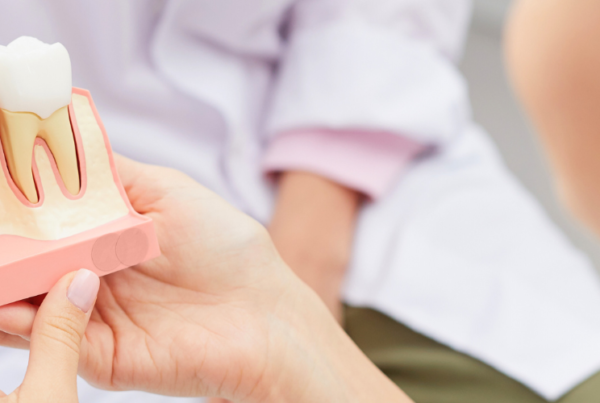
There’s a second, less-discussed mechanism at play. Natural teeth have a periodontal ligament (PDL) — a thin, elastic structure that acts as both a shock absorber and a sensory feedback system. According to WebMD, implants are fixed directly into bone the way artificial roots function. But unlike natural roots, they transmit bite force directly into the jawbone without any cushioning. More critically, the brain loses the fine-touch feedback the PDL normally provides. Without that signal, patients frequently bite significantly harder than they realize — a phenomenon sometimes called silent occlusal overload. The result can be micro-cracks, abfractions, and accelerated wear on the opposing natural teeth, sometimes appearing years before anyone connects it to the implant.
Addressing interproximal contact loss typically requires tooth crown revision, which adds both time and additional procedures to your overall treatment journey.
The Mini Implant Trade-Off: Where Smaller Isn’t Always Safer
Mini dental implants (MDIs) appeal to patients who don’t have sufficient bone density for traditional implants or want a less invasive procedure. A Healthline overview of mini dental implants confirms they offer real advantages: less invasive placement, faster recovery, and no bone grafting in many cases. For stabilizing lower overdentures — where forces are primarily vertical — MDIs perform well.
The problem arises when MDIs are used to replace single posterior teeth in areas like the premolars or molars near River Oaks and Westdale Park neighborhoods. Most MDIs are single-piece systems, meaning the fixture and abutment are one solid, uninterrupted unit. Traditional implants use a two-piece design that distributes stress across a connection point. Single-piece MDIs have significantly lower resistance to lateral shear forces — the diagonal and sideways forces generated during normal chewing on back teeth.
Under repeated lateral load, the narrow neck of an MDI is vulnerable to metal fatigue. This can result in fracture at the implant neck or permanent angulation errors that cannot be corrected without full removal. Because the fixture and abutment are one piece, a fractured MDI cannot simply be repaired — the entire implant must be extracted and the site allowed to heal before any new restoration is attempted. In some cases, a tooth extraction of the failed implant is the only path forward before the site can be reconsidered for treatment.
The clinical bottom line: MDIs are a legitimate tool in the right context. They are not an equivalent substitute for standard implants in high-load posterior positions, and patients should ask their dentist specifically where in the arch placement is planned before agreeing to this option.
Standard Surgical and Biological Risks Worth Knowing
Beyond the biomechanical concerns, the procedural risks of any implant surgery deserve a clear-eyed look. WebMD’s guide on dental implant complications outlines the core risks: osseointegration failure (where bone doesn’t fuse properly to the implant), infection at the implant site, nerve injury, and sinus complications for upper-jaw placements.
Research published on the NIH Bookshelf (StatPearls) notes that bone quantity and quality fundamentally determine implant diameter, length, and candidacy — meaning not every patient is a suitable candidate even after a preliminary exam.
Certain health and lifestyle factors raise the risk profile considerably. Healthline’s safety review of dental implants identifies smoking, uncontrolled diabetes, autoimmune conditions, osteoporosis, and ongoing chemotherapy or radiation as factors that can impair healing and elevate failure rates. Patients over 60 face additional considerations including slower recovery and potential bone health concerns.
Peri-implantitis — a form of gum disease specific to implant sites — is another long-term risk. Bacteria accumulating around the implant crown can cause inflammation, bone loss, and eventual implant failure if oral hygiene lapses. Unlike natural teeth, implants offer no PDL buffer, so bone loss around a failing implant can progress quickly and silently. Staying current with cleanings and exams is one of the most effective ways to catch early signs of peri-implantitis before significant damage occurs.
The process itself spans multiple appointments over six to twelve months, involves surgery under local or general anesthesia, and requires a genuine commitment to post-operative care and ongoing hygiene maintenance. If complications arise between scheduled visits, knowing where to turn for a dental emergency in Bakersfield can make a critical difference in preserving the implant and surrounding tissue.
Ready to Talk Through Your Options in Bakersfield?
Implants remain one of the most durable, natural-feeling tooth replacement solutions available — but the decision deserves a thorough, honest conversation about your specific anatomy, health history, and long-term expectations.
If you’re in Bakersfield, near River Oaks or anywhere in West Bakersfield, the team at First Choice Dentistry is ready to walk through your candidacy, explain every risk in plain language, and help you choose the path that genuinely fits your smile and your life. Whether implants are right for you or another solution better fits your needs, exploring your full range of aesthetic dentistry options is always a worthwhile first step. Request your consultation today.
Medical disclaimer: This article is intended for general informational purposes only and does not constitute professional dental or medical advice. Always consult a qualified dental provider regarding your individual health needs and treatment options.