


Store-bought strips and whitening toothpastes can lift mild surface stains, but they can’t match the strength, precision, or lasting results of professional whitening. If you live along the Rosedale corridor and want genuinely whiter teeth, pro teeth whitening options and understanding the science behind each option makes the decision much clearer.
Why Whitening Toothpaste May Be Making Your Teeth More Yellow
This is the counterintuitive finding that surprises most people: whitening toothpastes contain no actual bleaching agents. Instead, they rely on abrasive particles — silica, calcium carbonate, or similar compounds — to physically scrub surface stains away.
The problem is measurable. Dental researchers use a scale called Relative Dentin Abrasivity (RDA) to rate how aggressively a toothpaste wears tooth surfaces. The ADA considers anything under 250 technically acceptable, but most dentists recommend staying under 70–80 for daily use. Standard gentle toothpastes, like Sensodyne Pronamel, sit around 35 RDA. Many popular whitening toothpastes exceed 150 RDA.
Over months and years of twice-daily brushing, that abrasion thins your enamel. Enamel is naturally white and semi-translucent. The layer beneath it — dentin — is naturally yellow. As the American Dental Association explains, aging gradually thins enamel anyway, allowing the yellower dentin to show through. Aggressive whitening toothpaste accelerates that process.
The result? You scrub away the stain, but you also scrub away the protective layer keeping your teeth looking white. Long-term, high-RDA toothpastes can leave teeth looking more yellow, not less.
Mayo Clinic confirms that whitening toothpastes can only lighten surface stains and cannot change the natural color of your teeth or address staining that goes deeper than enamel. For Bakersfield residents wanting a genuinely brighter smile, toothpaste alone won’t get you there. Pairing whitening with regular cleanings and exams ensures your baseline oral health supports the best possible results.
The Saliva Problem: Why Custom Trays Beat OTC Strips
Most people assume the only difference between professional whitening and drugstore strips is the concentration of peroxide. The real difference runs deeper — and it comes down to saliva.
Your saliva contains an enzyme called catalase. Its job is to break down hydrogen peroxide into water and oxygen. That’s useful for protecting tissues, but it’s the enemy of whitening. The moment peroxide gel contacts saliva, catalase begins neutralizing it.
OTC whitening strips are flat. They press against curved tooth surfaces, leaving gaps at the edges where saliva seeps underneath constantly. Within minutes of application, a meaningful portion of the active ingredient is being neutralized before it can penetrate the enamel.
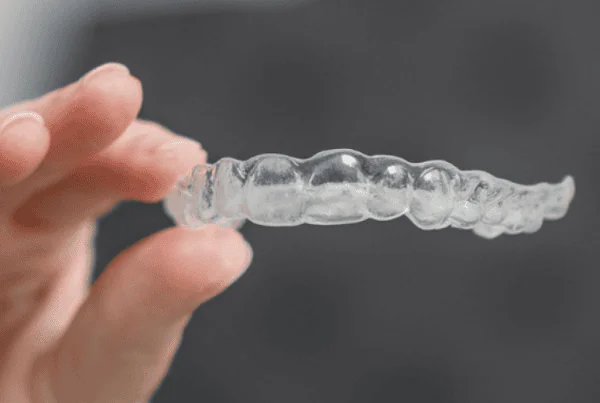
Custom-molded dental trays work differently. They’re fabricated from an impression of your specific teeth, creating a physical seal at the gumline. That seal keeps saliva out and holds the whitening gel in uninterrupted contact with enamel. As WebMD notes, in-office systems use peroxide concentrations of 15–43%, versus the 3–20% found in at-home kits — but the delivery system matters just as much as the concentration.
Healthline’s overview of whitening strips confirms that strips can lift teeth one to two shades and work best for mild discoloration. For more significant changes — especially stubborn staining from years of coffee, wine, or tobacco — strips simply can’t replicate what a sealed, professional-grade tray delivers. Patients who want to go beyond whitening entirely may also explore dental veneers or Lumineers as longer-lasting aesthetic solutions.
Near the Greenacres and Calloway Drive areas, where busy schedules make quick results a priority, this distinction matters practically. Strips require weeks of consistent application to achieve what a professional treatment can accomplish in one or two visits.
The 48-Hour Rebound After In-Office Whitening (And What It Means)
If you’ve ever had in-office whitening and felt disappointed two days later, you weren’t imagining it — and the treatment didn’t fail. You experienced what’s called the dehydration rebound.
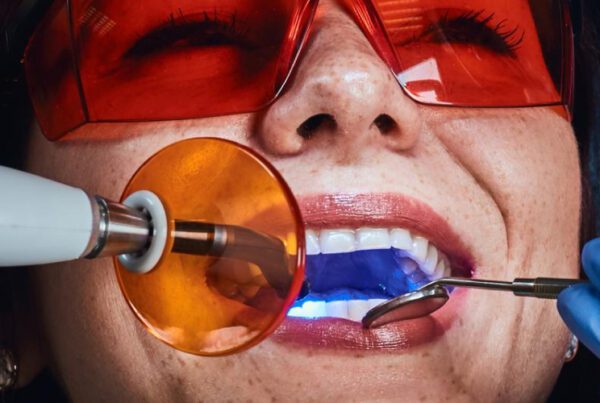
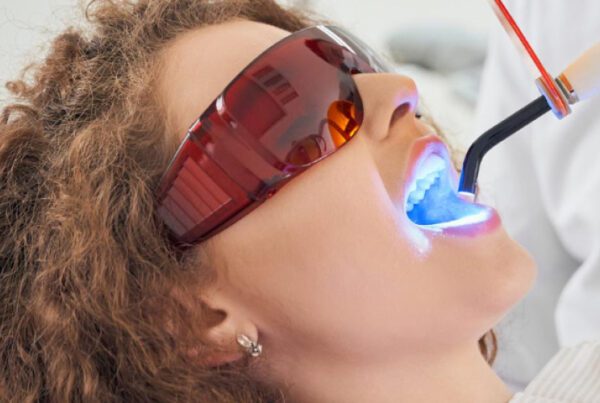
In-office whitening uses high-intensity light alongside concentrated peroxide gel. The light generates heat that temporarily dehydrates the tooth structure. Dehydrated enamel looks chalky, opaque, and artificially bright — sometimes dramatically so. Patients leave the chair thrilled.
Over the following 48 hours, saliva rehydrates the teeth. As moisture returns, the enamel regains translucency and the apparent shade shifts slightly darker. This is the natural resting shade of your whitened teeth — still noticeably brighter than before treatment, but not quite the extreme white seen immediately after the procedure.
Understanding this rebound helps set realistic expectations. Cleveland Clinic’s dental experts note that professional treatments can deliver faster, more dramatic results than at-home methods, but the final outcome stabilizes over a few days. Take-home custom trays, used at lower peroxide concentrations over two weeks, avoid this rebound effect entirely because they don’t dehydrate the teeth — the whitening is slower, steadier, and the result you see at day 14 is the result you keep.
Harvard Health Publishing recommends consulting your dentist before any bleaching approach, particularly if you have existing restorations, since whitening agents don’t affect crowns, veneers, or bonding — and uneven results are possible without professional evaluation first. If a tooth crown or other restoration is part of your smile, your dentist can help you plan whitening around it for a consistent result.
For Bakersfield patients near Rosedale weighing in-office versus take-home options, both approaches work — the right choice depends on your timeline, stain type, and sensitivity history. Patients interested in a complete smile transformation may also want to explore aesthetic dentistry services that combine whitening with other cosmetic treatments.
Ready for a Whiter Smile in Bakersfield?
If you’re comparing your options and want guidance tailored to your teeth, First Choice Dentistry is here to help. Serving Bakersfield and the Rosedale corridor, our team can evaluate your stain type, review your restoration history, and recommend the whitening approach most likely to deliver lasting results for you specifically. Request an appointment today.
Medical disclaimer: This article is for informational purposes only and does not constitute dental or medical advice. Always consult a licensed dental professional before beginning any whitening treatment.