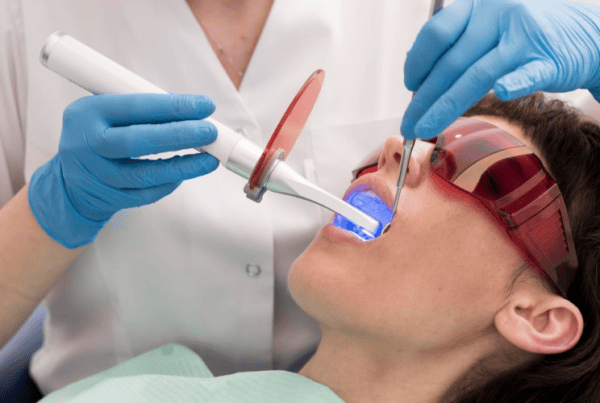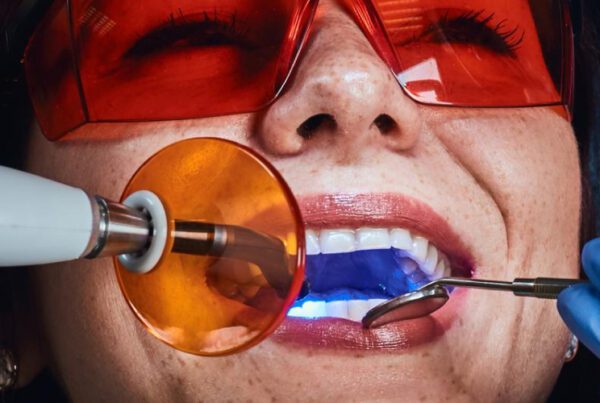

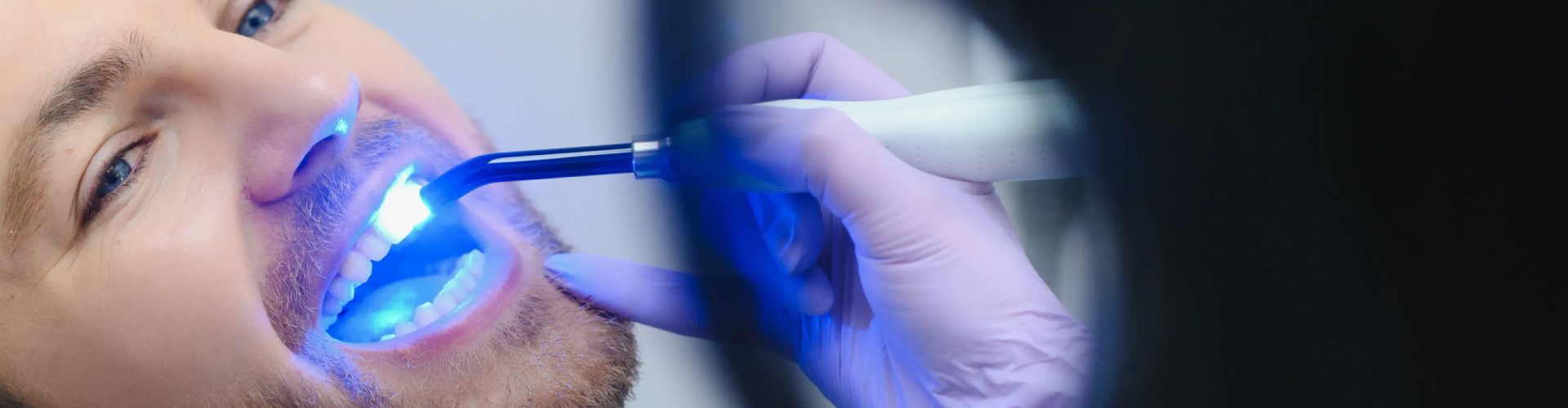

Professional teeth whitening is safe for most adults when performed or supervised by a licensed dentist, but it’s not risk-free. Understanding how peroxide affects your enamel — and how to prepare your teeth before treatment — makes a significant difference in both comfort and long-term results. If you’re exploring all your options for a brighter smile, pro teeth whitening in Bakersfield is a great place to start.
The 48-Hour Window After Whitening That Most People Don’t Know About
If your teeth look slightly chalky or feel extra porous right after a whitening session, you’re not imagining it — and it’s not permanent damage. During bleaching, your teeth temporarily lose their acquired salivary pellicle, a thin protein film that naturally coats enamel and helps protect it. At the same time, the peroxide opens microscopic pores in the enamel surface.
For roughly 24 to 48 hours after treatment, those micro-pores remain open and vulnerable. Chromogens — the pigment molecules found in coffee, red wine, tomato sauce, and even some fruit juices — can absorb directly into enamel during this window far more readily than they would otherwise. “Avoid staining foods” is advice you’ve probably heard, but the actual list goes further than coffee and tea. Soy sauce, balsamic vinegar, berries, and dark-pigmented sports drinks all pose real risk during this period.
The good news: your saliva begins remineralizing enamel almost immediately. According to ADA News, infrequent bleaching damage is typically reversed by salivary and dietary remineralization that fortifies enamel over time. Stick to a white or colorless diet for 48 hours, stay well-hydrated, and consider a fluoride or nano-hydroxyapatite (nHAp) rinse to support re-uptake. The slight shade rebound some patients notice at the 24-hour mark is also normal — it reflects rehydration of the tooth, not enamel loss.
How to Prepare Your Teeth Before Treatment (Not After)
Most sensitivity advice targets patients already in pain. A smarter approach starts two weeks before your appointment, especially if you’re planning an in-office treatment using 35%–40% hydrogen peroxide concentrations.
For 14 days before whitening, use a toothpaste containing potassium nitrate twice daily. Potassium nitrate works by depolarizing pulpal nerve fibers — essentially calming the nerve endings inside your teeth before high-concentration peroxide is applied. Pair this with a nano-hydroxyapatite (nHAp) toothpaste or remineralizing serum to occlude open dentinal tubules, which are the microscopic channels that transmit temperature and chemical signals to the pulp. Fewer open tubules means significantly less of that sharp, electric “zinger” sensation patients dread.
Healthline notes that in-office whitening is particularly recommended for patients with intrinsic discoloration or receding gums, where professional oversight becomes even more critical. A dentist can also apply a protective gum barrier before treatment — something no strip or tray can replicate. Staying current with your cleanings and exams before whitening ensures your teeth and gums are in the best possible condition for treatment.
If you do experience sensitivity after treatment, it’s typically temporary. But building a pre-conditioning window into your timeline is a far more effective strategy than managing discomfort reactively.
What Happens to Existing Fillings and Bonding During Whitening
Here’s a detail that rarely makes it into standard whitening guides: peroxide doesn’t bleach composite resin. If you have tooth-colored fillings, anterior bonding, or veneer margins visible on your front teeth, those restorations will stay their original shade while your natural enamel brightens. The result can be noticeable mismatching — particularly under the bright natural light near Bakersfield’s Kern River Parkway Trail or anywhere with strong overhead lighting.
Beyond shade mismatch, research cited by WebMD confirms that bleaching products won’t work on porcelain crowns, veneers, or composite bonding. High-concentration agents can also alter the surface roughness and micro-tensile bond strength of existing composite resin, which is why dentists typically require a mandatory waiting period of at least 14 days before replacing or shade-matching old restorations to newly whitened enamel. Replacing them too soon risks bonding failure because residual oxygen from the bleach interferes with the adhesive chemistry. If you have a tooth crown or other restorations, this is an especially important factor to discuss with your dentist before beginning any whitening treatment.
If you have anterior restorations, bring this up during your consultation. A good treatment plan — whether you’re in Laurelglen or anywhere across the Central Valley — accounts for your full smile, not just your natural enamel.
Is Professional Whitening Safer Than Store-Bought Options?
The short answer is yes, with meaningful caveats. Professional in-office systems use hydrogen peroxide concentrations between 15% and 43%, compared to the 3%–20% found in most over-the-counter products. Harvard Health Publishing explains that the ADA recommends consulting a dentist before using any bleaching product, even an over-the-counter one, because different stain types respond very differently to whitening agents.
The risk with OTC products isn’t necessarily a single application — it’s repeated unsupervised use. ADA News reports that continuous overuse of whitening strips and gels can damage enamel, cause persistent sensitivity, and in some cases produce translucent teeth by revealing the underlying dentin layer. Professional treatment, done once or twice per year under clinical supervision, avoids this pattern.
Mouth Healthy from the ADA also notes that whitening simply won’t correct all types of discoloration. Gray-toned teeth, staining from tetracycline, or discoloration caused by tooth trauma may not respond to bleaching at all — and a dentist can identify this before you invest time in a treatment that won’t deliver results. In cases where whitening falls short, dental veneers or other aesthetic dentistry solutions may offer a more effective path to the smile you’re looking for.
Ready to Whiten Safely in Bakersfield?
If you’re considering professional whitening near Laurelglen or anywhere in the Bakersfield area, the first step is a consultation — not a strip. First Choice Dentistry helps patients across the Central Valley determine which whitening approach is safe, effective, and matched to their actual enamel and restoration history. Contact us to schedule your appointment and get a personalized plan before starting any whitening treatment.
Medical disclaimer: This article is intended for informational purposes only and does not constitute professional dental or medical advice. Always consult a licensed dental professional before beginning any teeth whitening treatment.